600D vs 1000D Fabric: Which One Is Better for Tactical Bags?
When choosing a tactical backpack, one of the most common specifications you'll encounter is the fabric type. Among the most popular options are 600D and 1000D fabrics. While both are known for their durability, they serve different purposes depending on how and where the bag will be used.
So, which one is better?
The answer depends on your priorities—weight, durability, comfort, and intended use. In this guide, we'll explain the key differences between 600D and 1000D fabrics to help you choose the right tactical bag.
What Does "D" Mean in Fabric?
The letter "D" stands for Denier, a unit that measures the thickness of individual fibers used to weave a fabric.
In general:
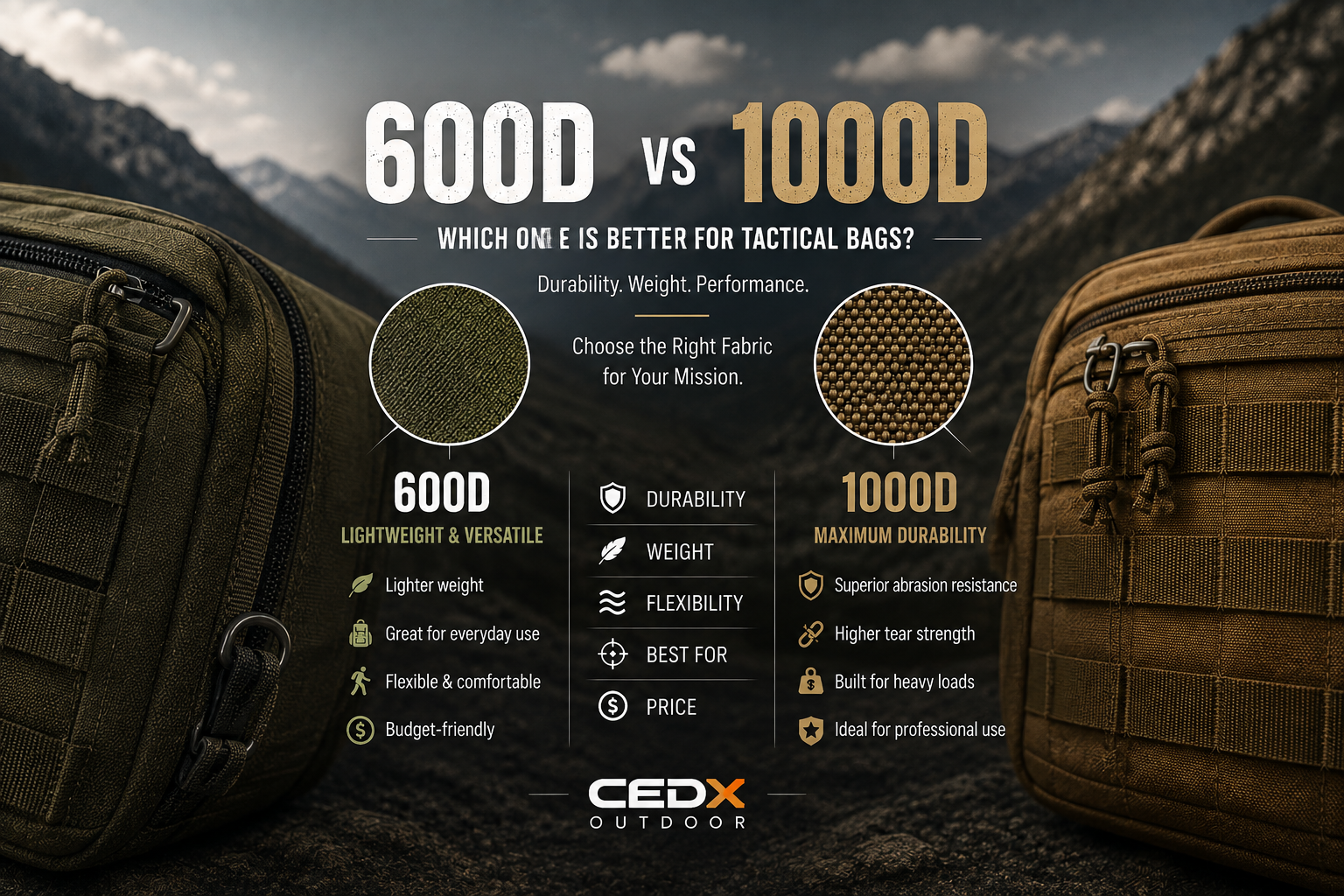
600D fabric uses finer yarns.
1000D fabric uses thicker yarns.
A higher denier typically results in a fabric that is more resistant to abrasion and tearing. However, it also tends to be heavier and less flexible.
It's important to remember that denier alone does not determine overall quality. The type of fiber, weave, coating, stitching, and hardware all contribute to the performance of a tactical backpack.
600D Fabric: Lightweight and Versatile
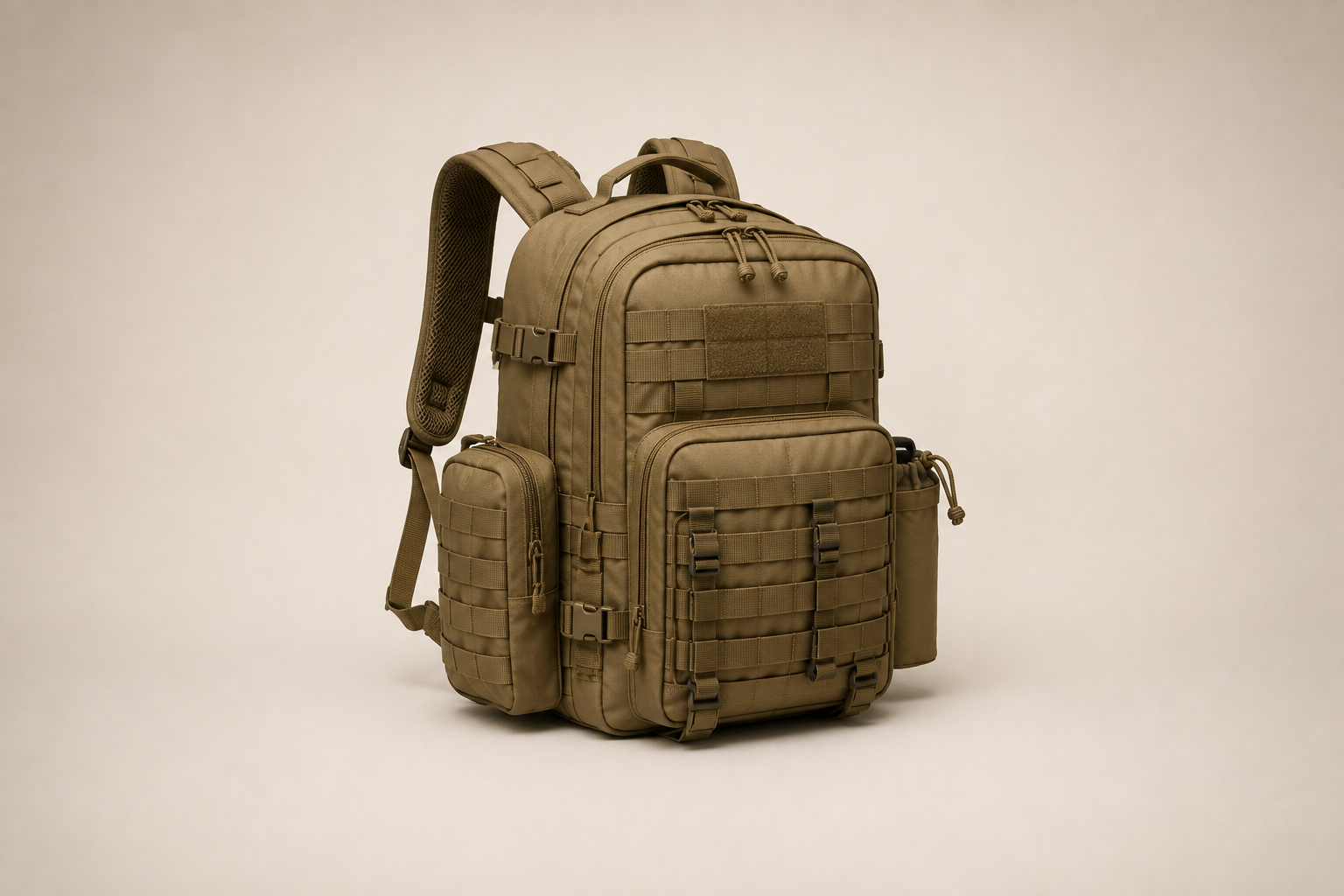
600D fabric is widely used in outdoor gear, hiking backpacks, travel bags, and many tactical products designed for everyday use.
Advantages of 600D Fabric
*Lightweight and comfortable for extended carrying.
*More flexible than heavier fabrics.
*Suitable for daily use and urban environments.
*Often more affordable.
*Easier to fold and store.
Considerations
Although highly durable for most users, 600D fabric may wear faster under continuous heavy abrasion or extreme field conditions compared to heavier alternatives.
1000D Fabric: Built for Maximum Durability
1000D fabric is commonly chosen for military equipment, professional tactical gear, rescue operations, and demanding outdoor environments.
Its thicker construction offers greater resistance to abrasion, punctures, and rough handling.
Advantages of 1000D Fabric
Excellent abrasion resistance.
Higher tear strength.
Better suited for heavy equipment.
Longer service life in demanding conditions.
Ideal for professional tactical applications.
Considerations
The increased durability comes with trade-offs:
Heavier overall weight.
Slightly stiffer feel.
May require more time to break in.
Often comes at a higher cost.
Which Fabric Is Better for Tactical Bags?
There is no universal winner.
Instead, the right choice depends on how you plan to use your backpack.
Choose 600D if you:
Carry your bag every day.
Prefer a lighter backpack.
Use it for hiking, travel, commuting, or weekend adventures.
Want an excellent balance between durability and comfort.
Choose 1000D if you:
Carry heavy loads regularly.
Work in demanding environments.
Need maximum durability.
Use your gear for military, law enforcement, security, or intensive outdoor activities.
Is 1000D Always Better?
Not necessarily.
Many people assume that a higher denier automatically means a better backpack. In reality, that's only one part of the equation.
A well-designed 600D backpack with high-quality stitching, reinforced stress points, durable zippers, and a protective coating can outperform a poorly manufactured 1000D bag.
When evaluating a tactical backpack, also consider:
Stitching quality
Reinforced load-bearing areas
Zipper durability
Buckle quality
Water-resistant coatings
Overall construction
These factors often have a greater impact on long-term performance than denier alone.
Water Resistance: Does Denier Matter?
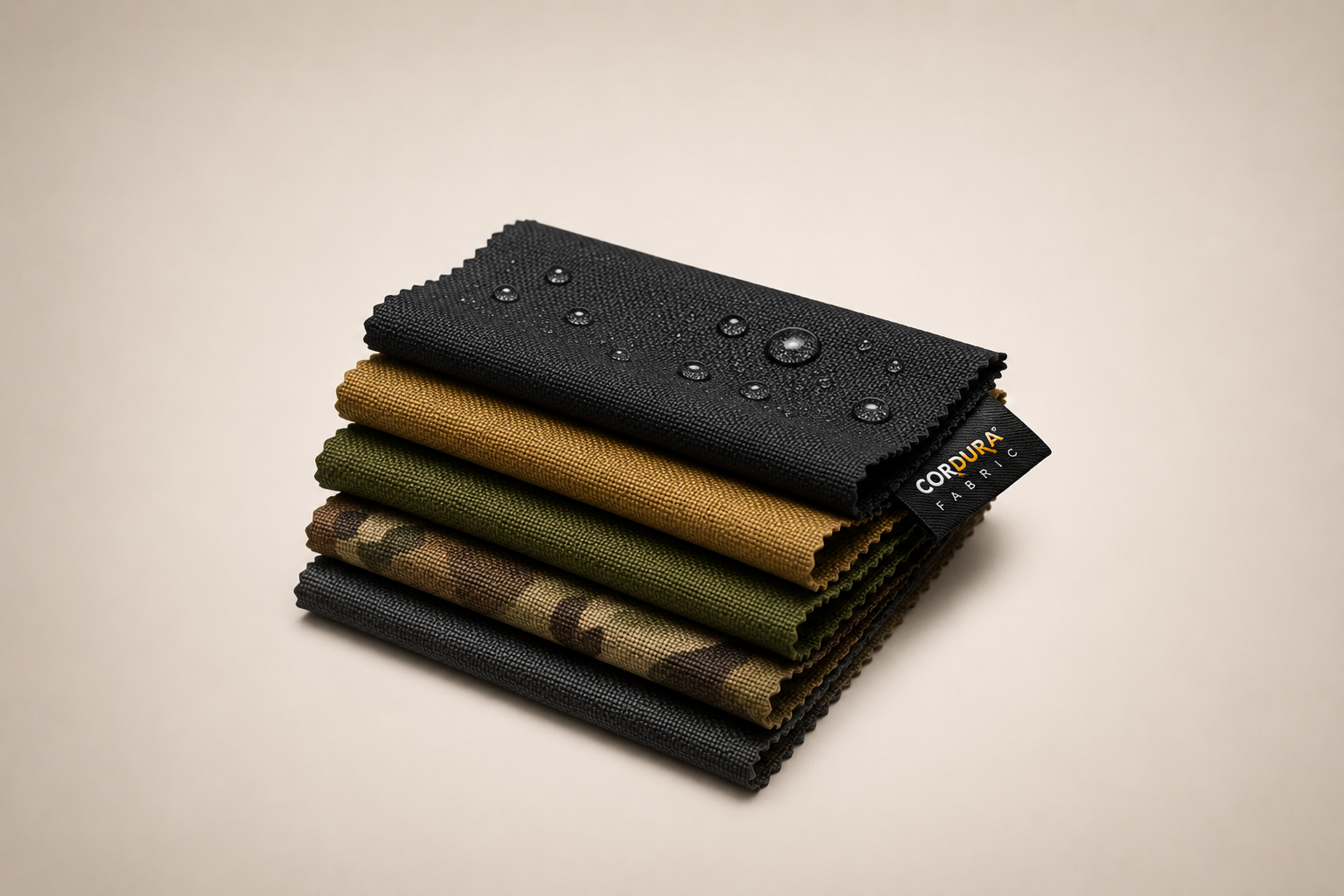
Fabric thickness is not the primary factor that determines water resistance.
Instead, water protection depends on features such as:
PU (Polyurethane) coating
PVC coating
DWR (Durable Water Repellent) treatment
Seam construction
Waterproof zippers
Both 600D and 1000D fabrics can provide excellent weather protection when properly treated.
Common Applications
600D Fabric
Everyday tactical backpacks
Travel bags
Laptop backpacks
Hiking packs
Sports bags
Outdoor accessories
1000D Fabric
Military backpacks
Tactical assault packs
Range bags
Heavy-duty equipment bags
Emergency response gear
Professional outdoor equipment
Frequently Asked Questions
Is 600D fabric strong enough for tactical backpacks?
Yes. For most users, 600D provides an excellent balance of durability, weight, and comfort, making it suitable for everyday tactical and outdoor use.
Does 1000D fabric last longer?
Generally, yes. Its higher abrasion and tear resistance make it well suited for demanding environments and heavy use.
Is 1000D waterproof?
Not by itself. Water resistance depends on the fabric's coatings and construction rather than its denier rating.
Which fabric is better for hiking?
For most hikers, 600D is often the preferred choice because it offers lower weight while still providing excellent durability.
Final Thoughts
Choosing between 600D and 1000D fabric isn't about finding the strongest material—it's about selecting the right material for your needs.
If you prioritize lightweight performance, flexibility, and everyday comfort, 600D is an excellent choice.
If your activities involve demanding environments, heavy equipment, or professional use where durability is critical, 1000D offers outstanding long-term performance.
Ultimately, the best tactical backpack combines high-quality materials with expert construction, reinforced stitching, reliable hardware, and thoughtful design to deliver dependable performance wherever your adventures take you.