Bushcraft Gear — A Complete Guide to Wilderness Survival (2026)
Essential bushcraft gear includes cutting tools such as knives and saws, fire-starting equipment, shelter, water filtration, and survival skills. This guide follows The 5 Cs of Survivability system.
July 13, 2026 · 5 min read
Bushcraft is the art of living and creating comfort in nature with minimal equipment. Rather than relying heavily on modern camping gear, it focuses on using natural resources and developing practical skills for building shelter, starting fires, finding water, and preparing food.
In this guide, we take a detailed look at the essential equipment for bushcraft and the principles behind using it effectively.
What Is Bushcraft? How Is It Different from Survival and Camping?
Bushcraft vs. Survival
Survival: Emergency situations and short-term survival
Bushcraft: Long-term, sustainable living in nature and developing practical skills
Bushcraft vs. Camping
Camping: Modern equipment such as tents, stoves, and ready-made food
Bushcraft: Minimal equipment, use of natural resources, and a strong focus on skills
The 5 Cs of Survivability (Dave Canterbury)
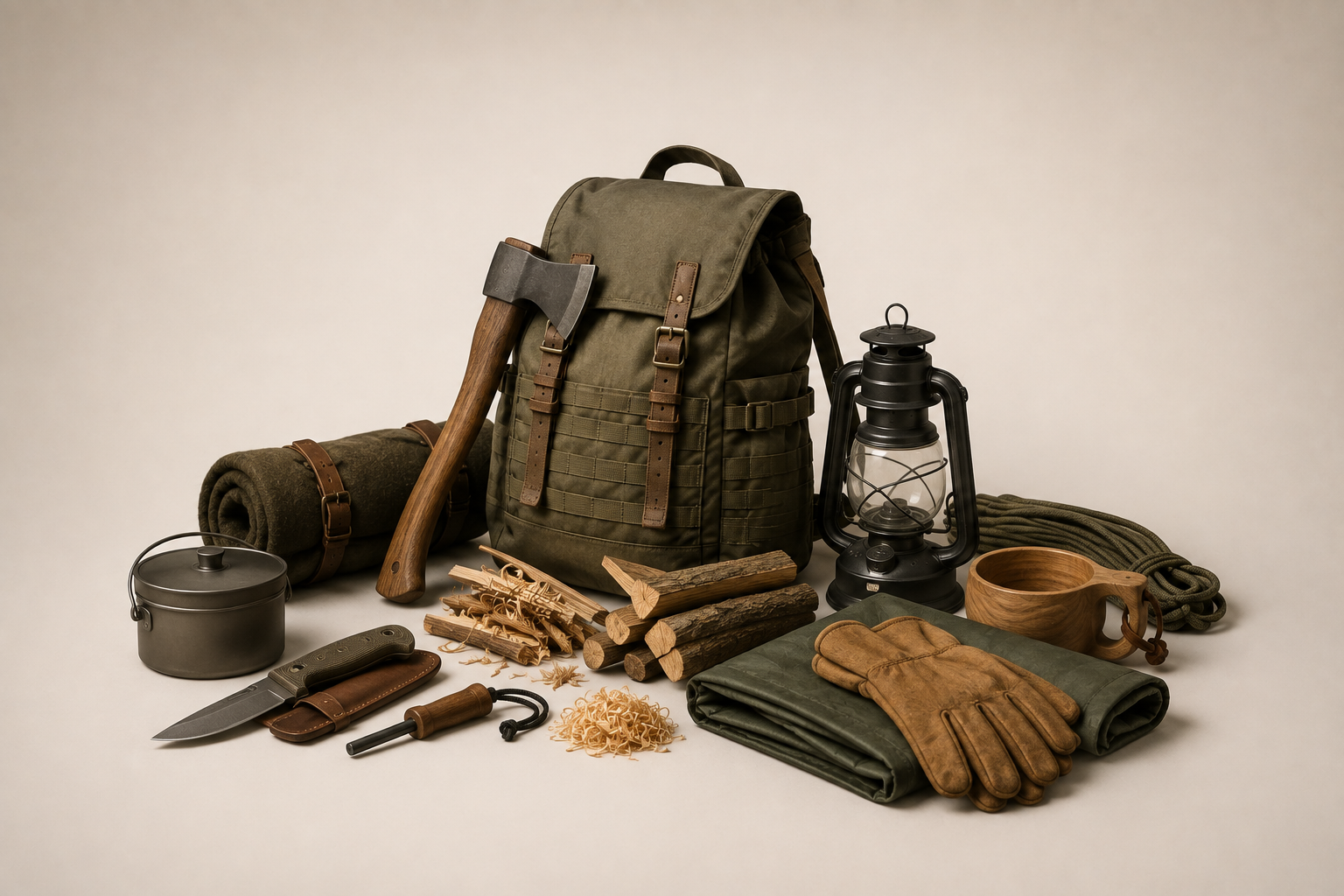
The basic philosophy of bushcraft is built around the 5 Cs:
Cutting: Knife, saw, axe
Combustion: Fire-starting tools
Cover: Tarp, groundsheet, bivvy
Container: Water and cooking containers
Cordage: Paracord and natural cordage
These five categories cover the essentials for living outdoors. Most other equipment can be considered "nice to have."
1. Cutting Tools
Bushcraft Knife
Key features:
Blade length: 9–12 cm (3.5–5 inches) — suitable for general-purpose use
Blade type: Fixed blade — strong and suitable for batoning
Steel type: Carbon steel — easy to sharpen but can be prone to rust
Grind: Scandi or full flat grind — ideal for woodworking
Tang: Full tang or rat-tail tang — durability
Handle: Wood or Micarta — comfortable grip
Recommended brands: Mora Companion, Hultafors, Condor, Fällkniven
Folding Saw
More effective and safer than a knife for cutting larger branches.
Blade length: 18–25 cm
Recommendations: Bahco Laplander, Silky Gomboy
Hatchet / Axe
Optional, but highly effective for splitting firewood and cutting wood.
Weight: 600–900 g
Handle length: 35–50 cm
Recommendations: Hultafors, Gränsfors Bruk, Fiskars
2. Combustion — Fire Starting
Ferrocerium Rod (Ferro Rod / Fire Steel)
One of the most reliable fire-starting tools. It is waterproof and produces high-temperature sparks of up to 3,000°C.
Length: 10+ cm (longer rods are generally easier to use)
Striker: Knife spine or dedicated striker
Lighter
BIC lighter: Primary option
Zippo: Requires spare fuel
Waterproof / Stormproof Matches
Useful as an emergency backup and should be stored in a waterproof container.
Tinder
Cotton balls + petroleum jelly
Fatwood
Birch bark
Char cloth
3. Cover — Shelter
Tarp
One of the most versatile shelter solutions, with 15+ possible configurations.
Size: 3 × 3 m for solo use or 4 × 4 m for groups
Material: Ripstop nylon, silnylon
Waterproof rating: 3,000 mm+ hydrostatic head
Color: Green or brown for natural camouflage
Bivvy Bag
A waterproof cover for a sleeping bag that can also serve as an emergency shelter.
Groundsheet
Provides ground insulation and protection from moisture.
4. Container — Water and Cooking Containers
Metal Camping Container
Stainless steel: Durable and suitable for use over a fire
Titanium: Lightweight but more expensive
Capacity: 1–1.5 L
Water Bottle / Canteen
Stainless steel canteen: Can also be used for boiling water over a fire
Nalgene: Transparent and durable
Collapsible Bucket
Useful for carrying water and washing.
5. Cordage — Rope and Binding
Paracord (550 Paracord)
Length: Minimum 15–30 m
Breaking strength: 550 lbs (250 kg)
Uses: Setting up tarps, making traps, emergency repairs
Bank Line / Tarred Bankline
Thinner cordage, such as #36 bankline, for more precise binding work.
Natural Cordage
A core bushcraft skill is learning to make cordage from tree bark, roots, and plant fibers.
6. Water Purification
Water Filters
Sawyer Mini / Squeeze
LifeStraw
Grayl GeoPress
Boiling with a Metal Container
One of the most reliable methods. Bringing water to a rolling boil for 3–5 minutes kills pathogens.
Water Purification Tablets
Aquatabs (chlorine)
Micropur (silver ions)
7. First Aid
Basic Kit
Adhesive bandages, gauze
Antiseptic
Pain reliever
Blister treatment
Tweezers
Tourniquet for severe bleeding
Natural First Aid
Bushcraft knowledge may include plant-based antiseptics such as garlic and onion, as well as knowledge of medicinal plants.
8. Navigation
Topographic map
Compass
GPS as a backup
Natural navigation skills using the sun, stars, and natural indicators
9. Lighting
Headlamp with a red-light mode
Spare batteries
Alternative: Fatwood torch
10. Optional but Useful Equipment
Whetstone / Sharpening Stone
Regular knife maintenance is essential.
Pot Hanger / Tripod
Useful for cooking over a fire.
Fishing Kit
Fishing rod, hooks, and line can provide an additional source of food.
Snare Wire
For setting animal traps where legally permitted and in accordance with local regulations.
Multi-Tool
Leatherman Wave
Victorinox Swiss Army
Leave No Trace Principles
Plan Ahead: Check permits, conditions, and equipment
Camp on Durable Surfaces: Use rock, dry grass, sand, and other suitable surfaces
Dispose of Waste Properly: Use appropriate waste disposal methods and follow local regulations
Leave What You Find: Do not remove natural objects
Minimize Fire Impact: Use existing fire rings where permitted and extinguish fires completely
Respect Wildlife: Keep your distance and do not feed animals
Respect Other Visitors: Avoid unnecessary noise pollution
Bushcraft Skills
Skills are just as important as equipment.
Basic Skills
Fire Making: Bow drill, hand drill, ferro rod
Shelter Building: Lean-to, A-frame, debris hut
Finding Water: Natural water sources, collecting dew
Navigation: Sun, stars, and natural indicators
Advanced Skills
Batoning: Splitting wood using a knife
Feather Sticking: Creating fine wood shavings for fire starting
Carving: Making spoons, bowls, and other wooden items
Trapping: Setting traps in areas where it is legally permitted
Plant Identification: Distinguishing edible plants from poisonous ones
CEDX Outdoor Bushcraft Gear
CEDX Outdoor offers durable carrying and organization solutions designed for bushcraft and survival applications:
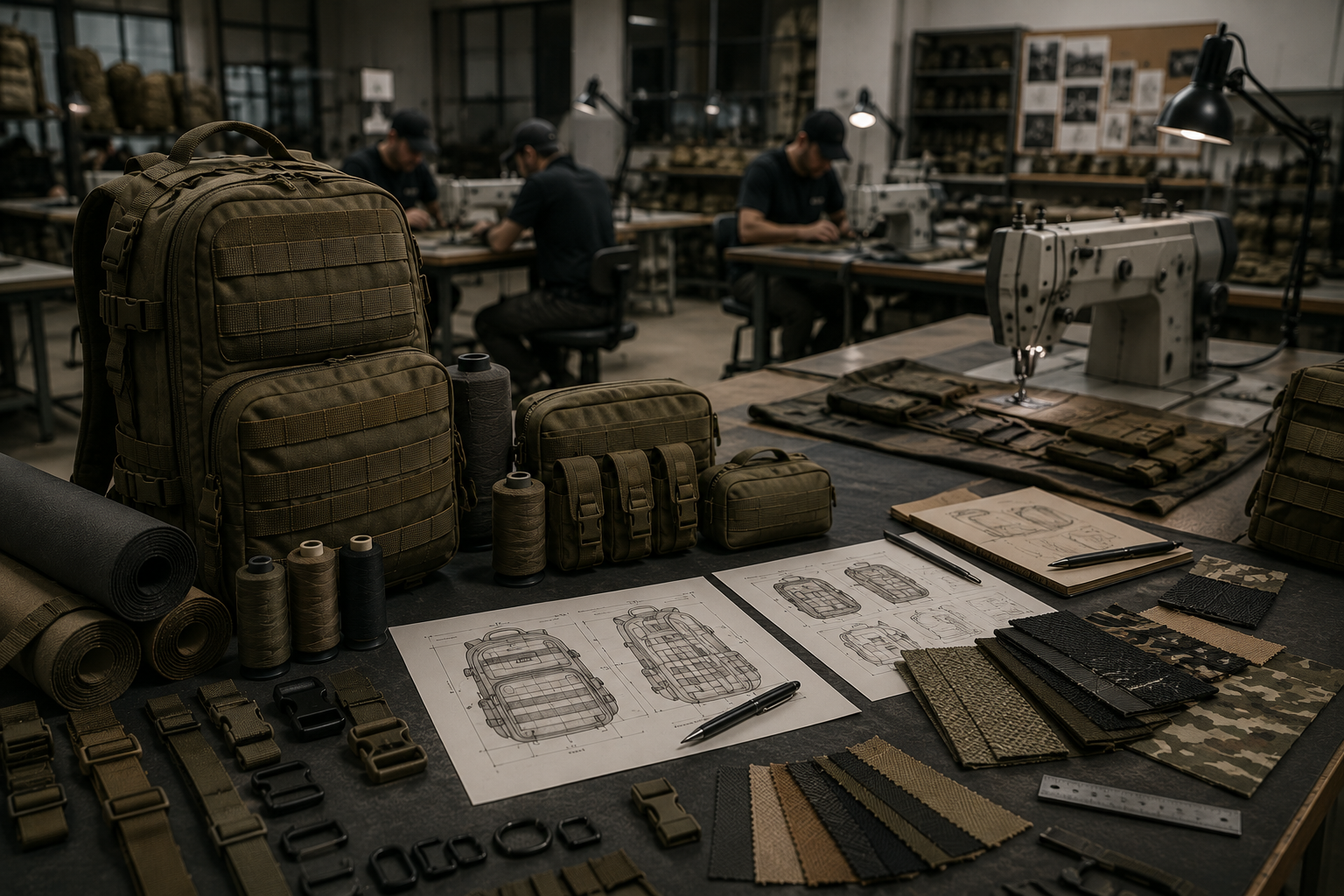
Bushcraft backpacks made with 1000D Cordura and MOLLE systems
MOLLE utility pouches for knives, fire kits, and first-aid equipment
Paracord and cordage organizers
Waterproof equipment bags
Beginner Bushcraft Kit — Budget-Friendly
A basic kit for beginners can include:
Knife: Mora Companion Heavy Duty
Saw: Bahco Laplander
Ferro Rod: Light My Fire
Tarp: 3 × 3 m ripstop tarp
Paracord: 30 m
Metal Camping Container: 1 L stainless steel
Water Filter: Sawyer Mini
First Aid: Basic first-aid kit
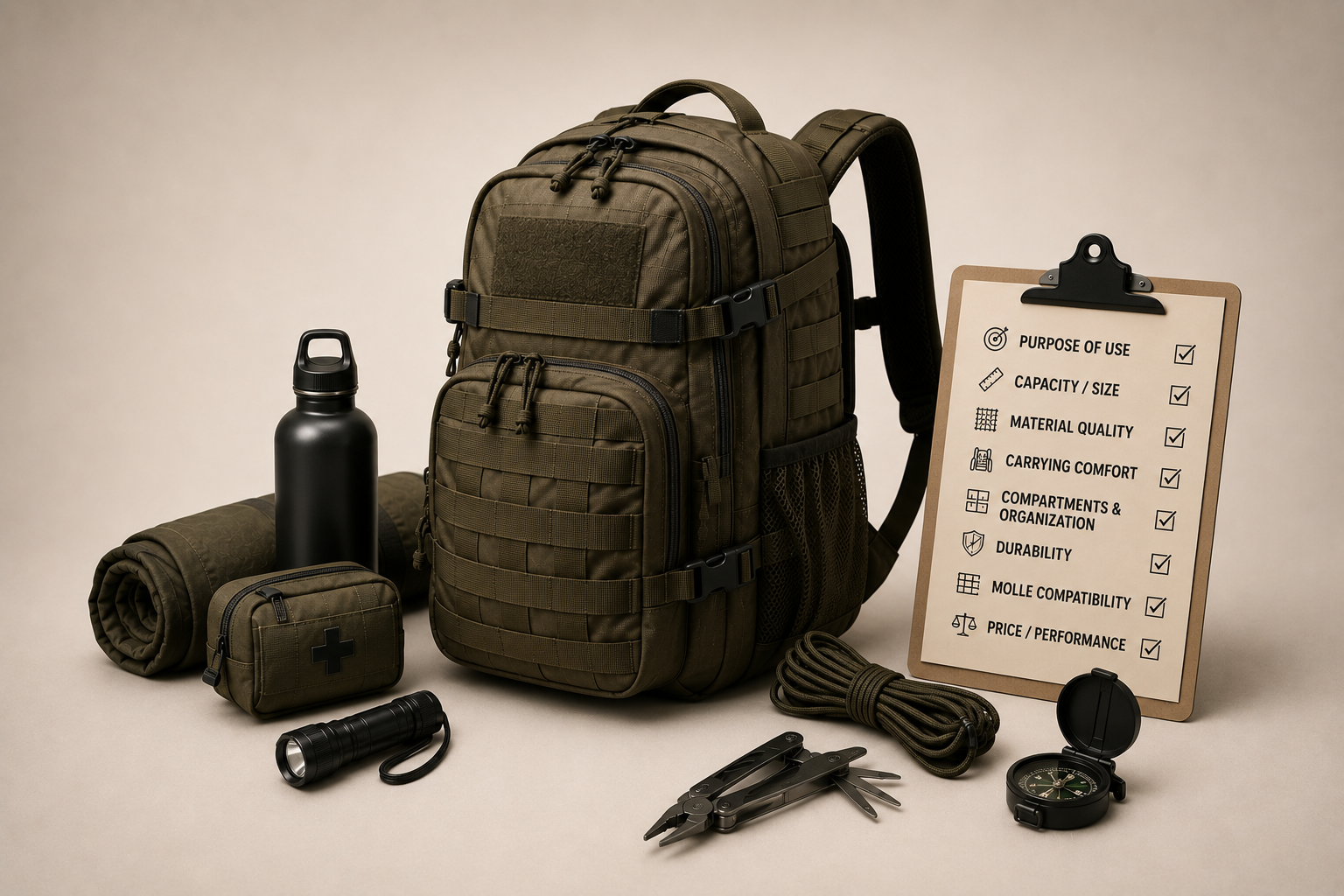
Backpack: 40–50 L
Conclusion: Equipment vs. Knowledge
In bushcraft, your most important piece of "equipment" is your knowledge. Expensive gear cannot compensate for a lack of practical skills and experience.
Start with the essential 5 Cs, practice regularly, and gradually optimize your gear based on your experience and the environments you explore.
Bushcraft philosophy: "Less gear, more knowledge — live in harmony with nature."
Keywords: bushcraft gear, what is bushcraft, survival gear, outdoor camping, bushcraft knife, ferro rod, tarp setup, leave no trace, outdoor survival, bushcraft skills